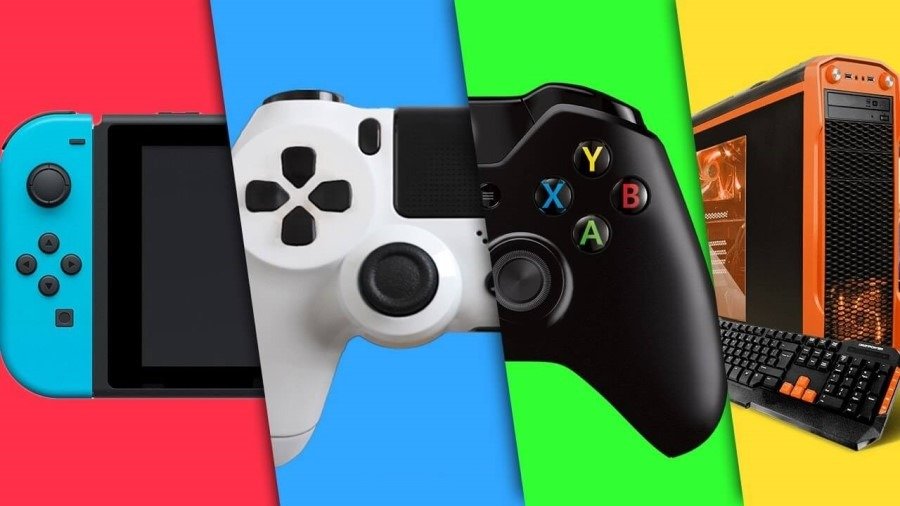

Competitive esports isn’t just booming, it’s entering a new era of maturity, complexity, and mainstream relevance in 2026. From explosive revenue growth to transformative tech, the competitive gaming landscape is evolving fast. Whether you’re a pro player grinding ranked matches, a content creator watching viewership trends, or a beginner curious about what’s next, understanding the key shifts happening right now is essential.
Here’s a deep dive into the biggest developments shaping esports in 2026 why they matter and how you can stay ahead of the curve.
Esports Is Bigger (and More Serious) Than Ever
Competitive gaming isn’t a fringe hobby anymore, it’s a major global media and entertainment force.
Market Growth & Audience Expansion
The esports market has grown into a multi‑billion‑dollar industry with hundreds of millions of fans worldwide. Revenue streams from sponsorships, media rights, and merchandise are expanding significantly. This growth isn’t just about money, it’s about cultural impact. Esports events now rival traditional sports broadcasts in presentation, fan engagement, and brand partnerships.
From Events to Everyday Engagement
The real momentum in 2026 comes from “always‑on” models season‑long leagues, recurring competitions, and continuous digital content designed to keep fans engaged year‑round. That means more opportunities for creators, teams, and organizers to build communities around more than just one‑off events.
What’s Driving the Competitive Esports Revolution
Let’s break down the core forces fueling the esports boom this year.
1. Tech That Changes How We Play and Watch
Technology isn’t just improving gaming it’s redefining it.
- AI and Analytics: Teams and coaches are using advanced analytics to understand opponents, improve strategies, and scout talent.
- VR & AR Experiences: Immersive tech is giving fans new ways to experience competitions, both live and virtually.
- Cloud Gaming & 5G: These make high‑quality esports content accessible on more devices, lowering barriers for players and viewers alike.
2. Mobile Gaming Is a Global Powerhouse
While PC and console esports remain strong, mobile gaming is stealing the spotlight in 2026. Mobile titles like Mobile Legends: Bang Bang and Honor of Kings are dominating viewership and participation, especially in Asia‑Pacific markets. With billions of smartphone users around the world, mobile esports is the most accessible entry point for new players and fans. Platforms like TikTok Live are also bringing competitive gameplay to audiences that traditional streaming platforms struggle to reach.
Revenue Innovation: Beyond Sponsorships
Traditional sponsorships think logos on jerseys and ads during broadcasts are still huge. But in 2026, the real financial evolution lies in membership and subscription models.
Esports organizations are increasingly monetizing fan engagement directly through digital memberships, exclusive content, and fan communities. These recurring revenue streams help stabilize income and deepen fan loyalty key for long-term competitiveness. And for content creators looking to stand out, working with a pfp creator has become a smart move: custom profile pictures and branding help streamers and influencers gain recognition across tournaments and social media platforms.
Competitive Format Trends: What’s Hot in 2026
The structure of esports competition is also evolving:
1. Regional Tournaments Gain Ground
New esports hubs are emerging beyond traditional strongholds in North America, Europe, and East Asia. Countries in the Middle East and Latin America are hosting major tournaments with big prize pools, elevating their status on the global stage. These global formats increase diversity in competition and help regional talent shine.
2. Always‑On Leagues & Narratives
Instead of peak-only event spikes, leagues are shifting to structured seasons, storylines, and year-round engagement similar to traditional sports leagues. This gives teams more ways to build their brands and keeps fans invested throughout the year.
3. Development Pathways and Tiered Ecosystems
Smaller leagues and grassroots circuits (Tier 2 and Tier 3) are getting more support in 2026. This creates clear paths for amateur players to develop and eventually compete at the highest levels. For aspiring pros, this means real ladders to climb not just dream scenarios.
What Gamers Should Act On Right Now
This year offers actionable opportunities, whether you’re a player, creator, or fan.
For Competitive Players
- Master trending titles: Mobile esports and hybrid genres are where audience growth is fastest.
- Cultivate personal branding: Visibility through social content and streaming boosts opportunities beyond competitive play.
For Content Creators
- Leverage short-form content: Bite-sized highlights, tutorials, and reaction clips keep viewers engaged between major events.
- Build around community: Regular interaction tips, behind-the-scenes content, giveaways can turn passive viewers into loyal followers.
For Fans & Investors
- Explore new revenue avenues: Memberships, fan tokens, and exclusive digital content are increasingly part of the esports economy.
- Watch emerging regions: Global competition hubs are diversifying the scene don’t just look at traditional markets.
For more visit eurogamersonline.
Looking Ahead: What 2026 Sets Up for the Future
Esports in 2026 isn’t just bigger it’s more robust, structured, and sustainable than ever. The industry is maturing: moving beyond hype and toward stable business models, deeper fan engagement, and genuine competitive ecosystems.
For players, creators, and fans alike, this means more opportunities, fresh formats, and new ways to connect with the global gaming culture.
So whether you’re aiming to go pro, grow your audience, or just keep up with the latest, 2026 is the year competitive esports shapes up as a mainstream cultural powerhouse and it’s just getting started.